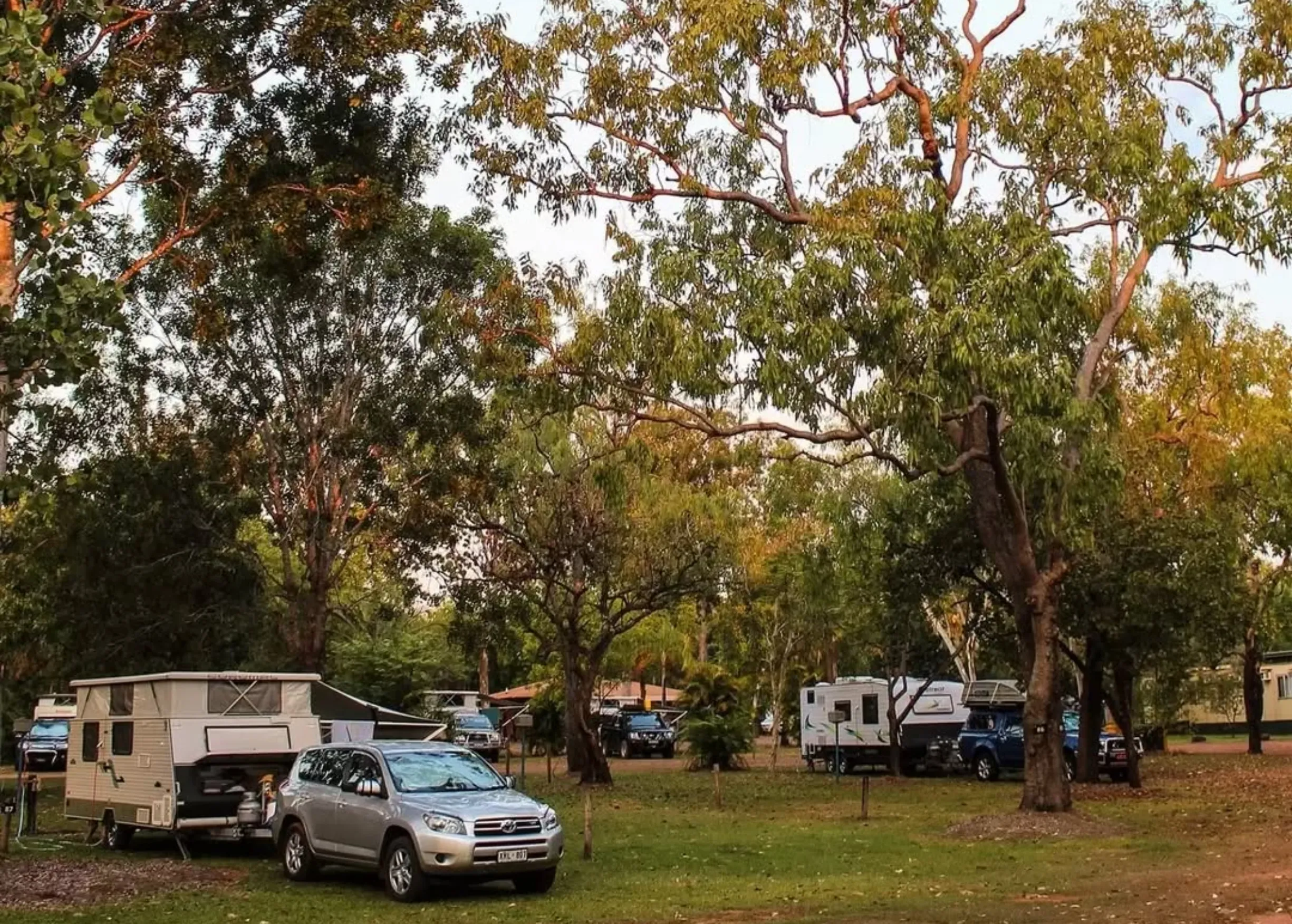
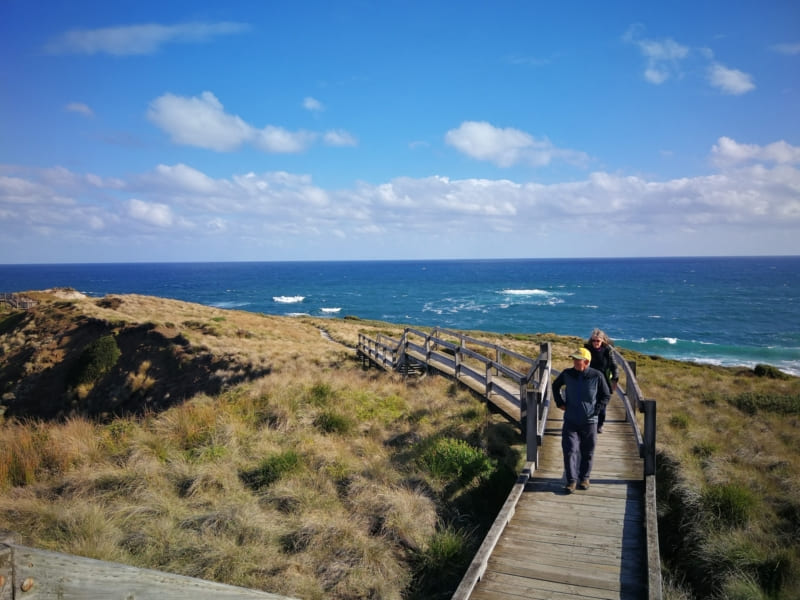
Australia offers a myriad of unforgettable animal encounters and wildlife experiences that beckon nature enthusiasts from all over the globe. From the sun-kissed Great Barrier Reef to the vast outback, the country is teeming with unique flora and fauna. Visitors can indulge in various activities that range from swimming with dolphins to observing kangaroos in their natural habitat. With a rich tapestry of ecosystems, Australia is the ideal destination for anyone yearning to connect with nature and witness its breathtaking charm. This article aims to navigate through some of the most impactful wildlife experiences that Australia has to offer.
Unique Australian Wildlife
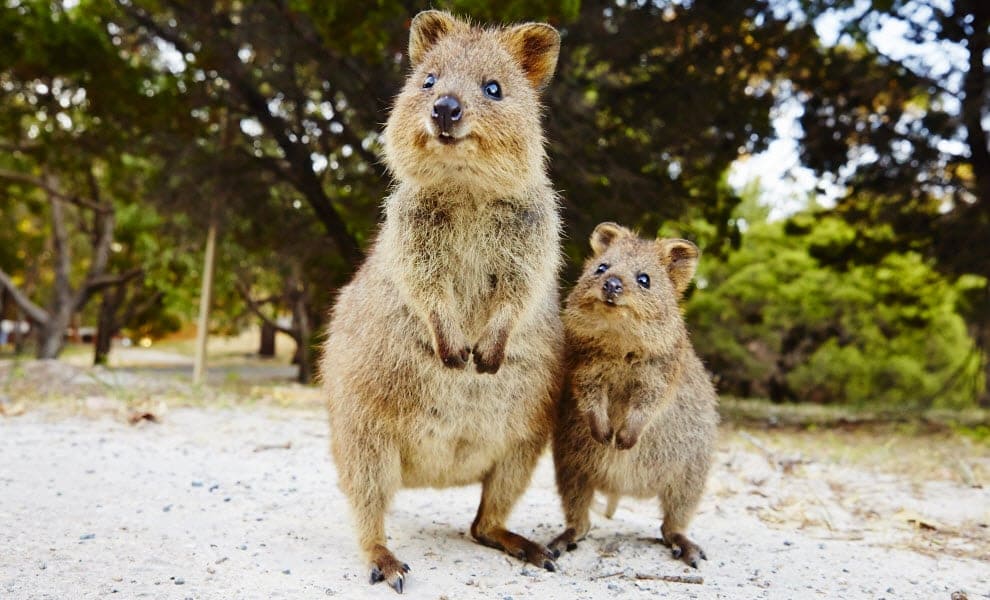
Australia is renowned for its distinct wildlife, much of which cannot be found anywhere else in the world. Iconic species such as kangaroos, koalas, and wombats make Australia their home, and many visitors travel specifically to see these creatures up close. Beyond the familiar marsupials, the country has an incredible variety of animals, including the platypus, which is one of the few egg-laying mammals. Birds such as the emu and the kookaburra, as well as reptiles like the saltwater crocodile, also contribute to Australia’s impressive biodiversity. This exceptional wildlife thrives in a range of habitats, from coastal regions to dense forests, highlighting the importance of conservation efforts to maintain these ecosystems. Engaging with native species in their natural environments offers a profound immersive experience that reinforces the need to protect our planet’s biodiversity.
Top Locations for Wildlife Encounters
Several spectacular locations across Australia provide incredible opportunities to encounter wildlife in their natural habitats. Here is a short list of some must-visit spots:
-
- Great Barrier Reef: Encounter vibrant marine life, ranging from exotic fish to majestic turtles.
- Phillip Island: Famous for its penguin parade, where you can witness adorable little penguins returning to shore at sunset.
- Kakadu National Park: Home to numerous crocodiles, wallabies, and over 280 species of birds.
- Tarren Point: Swim with dolphins or enjoy dolphin-watching tours in the stunning waters.
- Tasmania: Witness Tasmanian devils and unique wildlife in their natural ecology.
Each of these locations plays host to a variety of wildlife experiences, making them ideal destinations for eco-tourism lovers. Be it snorkeling in crystal-clear waters or embarking on guided nature walks, these experiences create lasting memories while raising awareness about wildlife conservation.
Interactive Wildlife Experiences
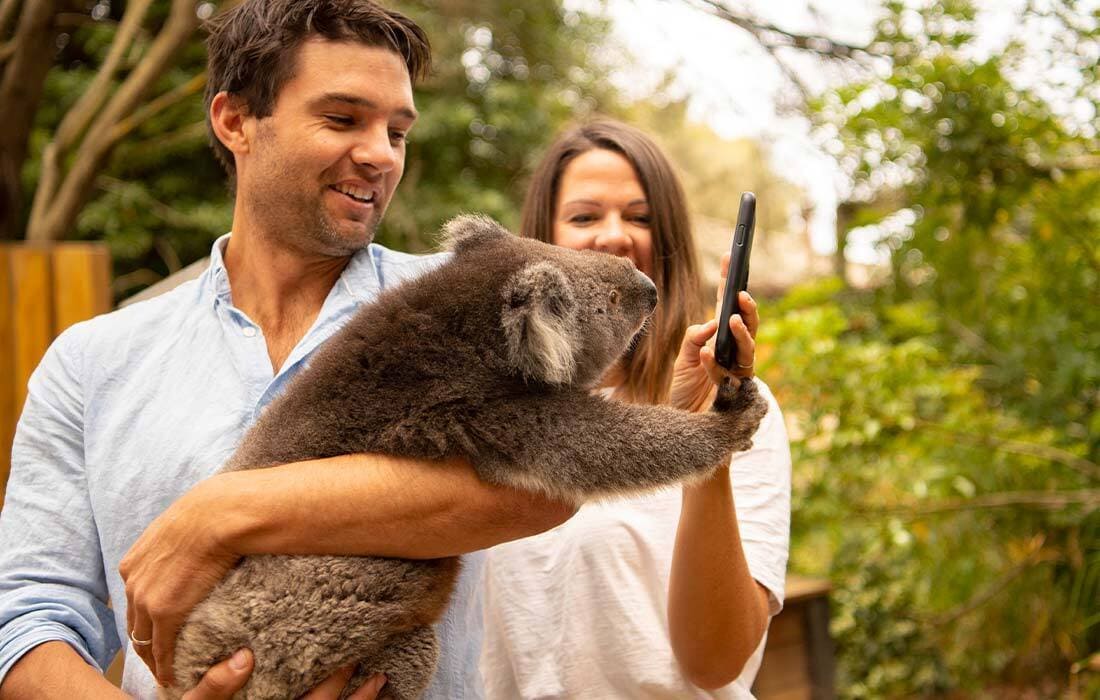
For those seeking an interactive approach to wildlife encounters, Australia offers several engaging experiences that allow visitors to connect with nature on a personal level. Many wildlife parks facilitate close-up interactions with animals such as kangaroos, where visitors can feed and pet them under supervised conditions. Similarly, sanctuaries provide informative sessions on the care and rehabilitation of native species. Beyond land-based animals, experiences such as swimming with dolphins or participating in whale watching tours allow participants to engage with marine life directly. Additionally, programs like ‘Koala cuddles’ have gained popularity, providing the chance to safely hold a koala while learning about its habits and habitat. These interactive experiences serve not only as entertainment but also as valuable education opportunities that foster a deeper appreciation for wildlife and conservation efforts.

Conservation and Responsible Tourism
While enjoying Australia’s breathtaking wildlife encounters, it is crucial to promote conservation and responsible tourism practices. Many wildlife experiences emphasize the significance of ecological awareness and the need for preservation of natural habitats. As travelers, we hold the power to impact the environment positively or negatively. By choosing eco-friendly tours and supporting wildlife sanctuaries that focus on rehabilitation and conservation, we can help ensure that future generations will enjoy these incredible experiences as well. Understandably, curiosity should never come at the expense of an animal’s well-being. Thus, adhering to guidelines provided by tour operators is essential. Responsible wildlife viewing promotes a harmonious balance between tourism and nature, safeguarding the spectacular ecosystems Australia is known for.
Conclusion
Australia is a treasure trove of animal encounters and wildlife experiences that provide exhilarating activities and invaluable lessons about our natural world. From unique wildlife species to ethical tourism practices, engaging with the richness of Australia’s ecosystems makes for unforgettable memories. As travelers, we are not only visitors but also stewards of the environment. By nurturing a deeper appreciation for wildlife and advocating for its conservation, we can ensure that these splendid encounters are preserved for years to come. Whether it’s wading through the reef with vibrant marine life or witnessing the majesty of a kangaroo in the wild, immersing ourselves in Australia’s wildlife is a journey well worth taking.
FAQs
The best time to visit Australia for wildlife encounters largely depends on the region. Generally, spring (September to November) and autumn (March to May) provide pleasant weather and increased wildlife activity.
Are there any safety considerations when encountering wildlife in Australia?
Yes, it’s essential to maintain a safe distance and follow guidelines provided by tour operators. Some animals may pose a threat, especially if they feel threatened themselves.
Can I feed the animals during wildlife encounters?
Feeding animals is usually discouraged unless specifically allowed by the experience provider. Providing food in unnatural settings can disrupt animals’ natural foraging behavior and pose health risks.
Is it ethical to hold or cuddle animals during encounters?
Many wildlife experiences allow holding or cuddling for educational purposes, but it’s crucial to ensure that the provider prioritizes animal welfare and follows strict ethical guidelines.
Do I need a guide for wildlife experiences?
While it’s possible to explore on your own, guided tours enhance the experience by providing expert knowledge on wildlife and ensuring safety in unfamiliar environments.