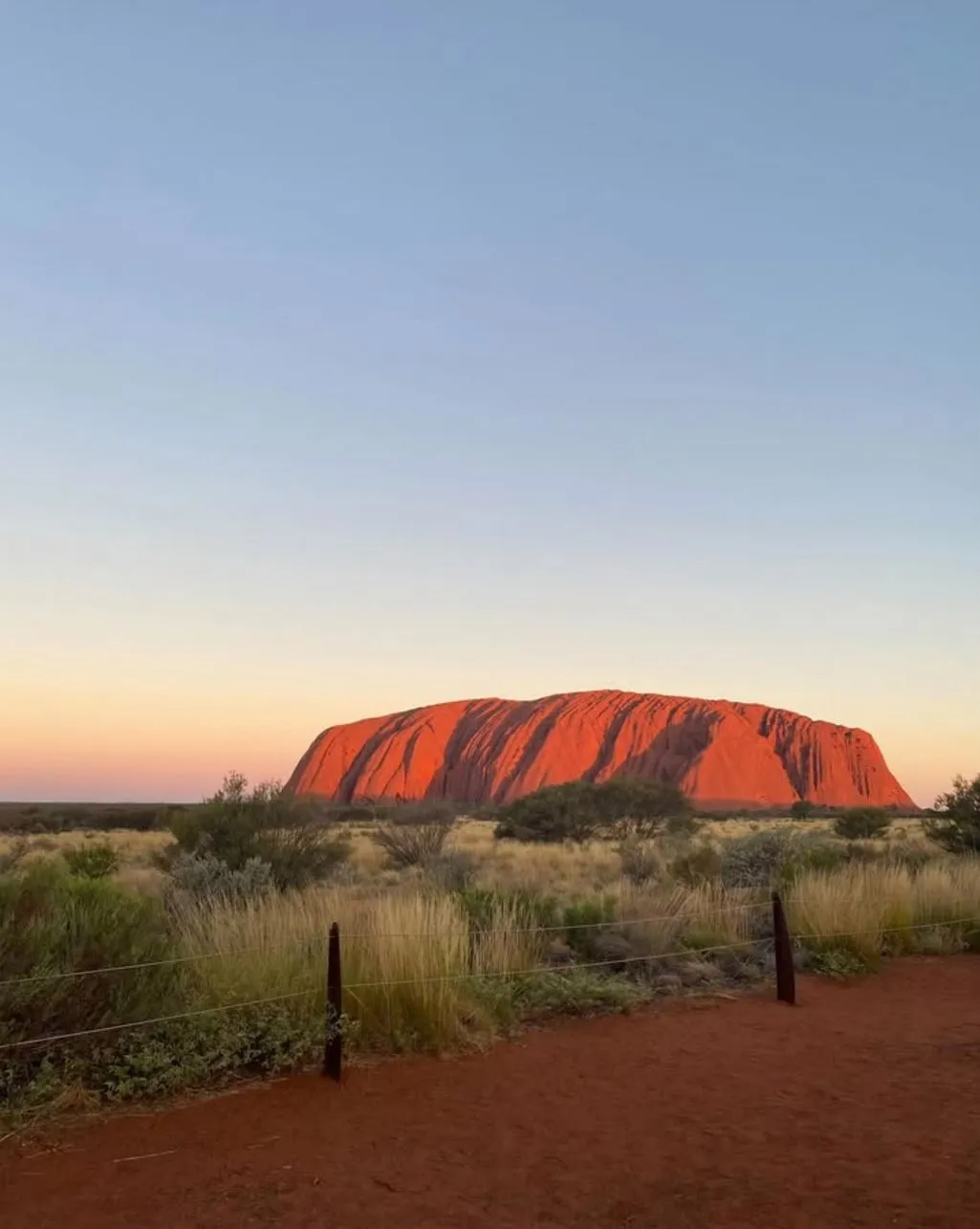
What are the key cultural protocols to follow when visiting Uluru – and not just giving lip service to being ‘respectful’? When I first pulled into Uluru-Kata Tjuta National Park back in my tour guide days, the red rock landscape just kind of snuck up on me, all set ablaze by that infamous Red Centre sunset. You know, the one that makes you go – ‘whoa, this place is seriously beautiful.’ But, of course, it’s way more than just a pretty face – or rather, landscape. Uluru’s a UNESCO World Heritage Site, and its living culture – the real deal – is shaped by Traditional Owners, Anangu people and their laws, and then there’s the cultural landscape that stretches all the way to Kata Tjuta. And if you want to truly experience it – and not just tick a box – there are a few do’s and don’ts that every traveller needs to keep in mind.
I’m Paul Beames, and in this little guide, I’ll walk you through the essential expectations and some of the smaller moments that many visitors tend to miss on Aboriginal land. Trust me – once you get a feel for the rhythms of the place out here, the whole visit changes. Be it flying into Ayers Rock Airport, staying at Ayers Rock Resort, or driving up from Alice Springs, you will feel like you’re in a whole different world.
Get That Culture Thing
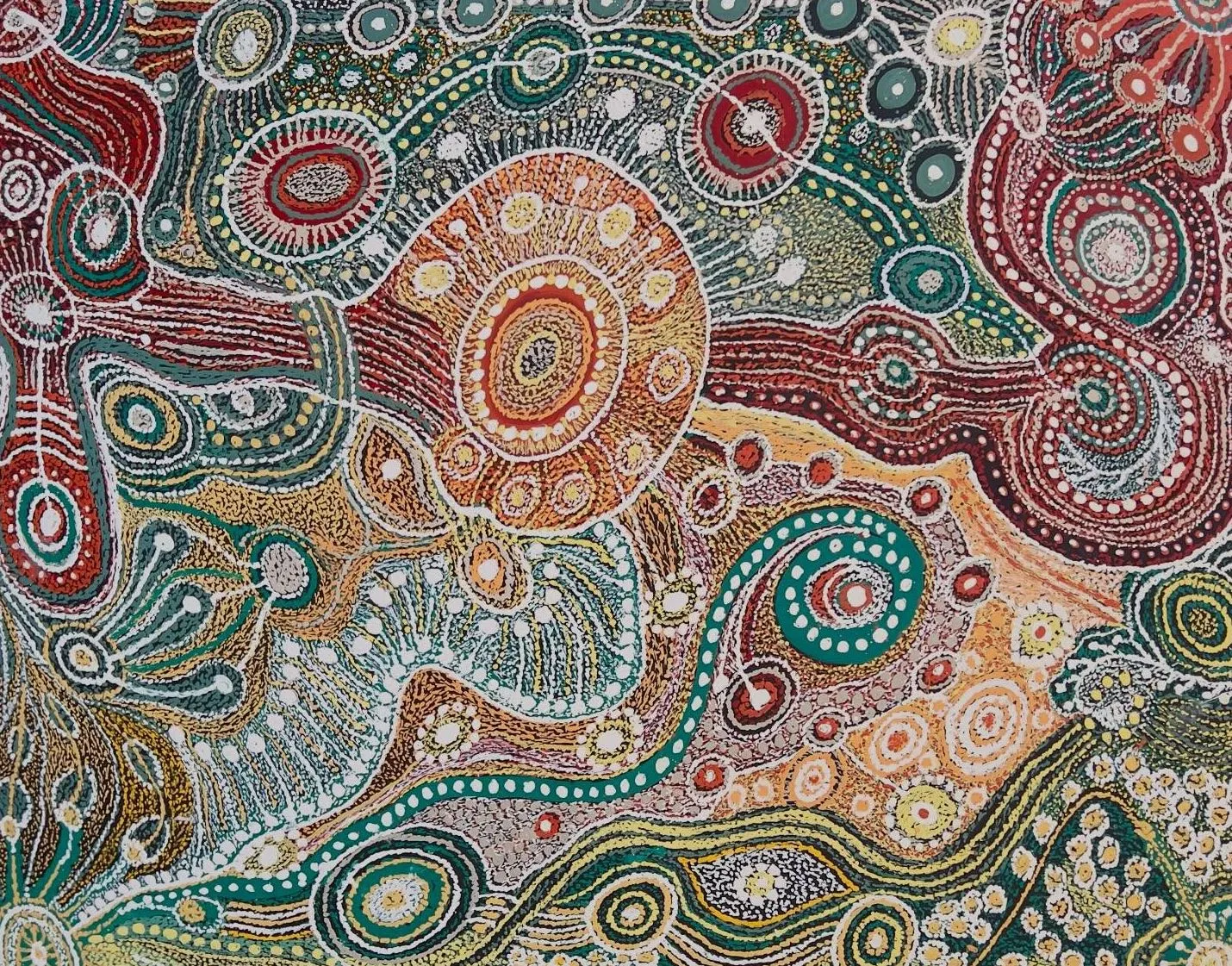
Before you even start lacing up your boots, get this – Anangu people are the Traditional Owners of Uluru & Kata Tjuta – with all sorts of responsibilities under Tjukurpa – that’s their traditional law. The place is jointly managed by Anangu and Parks Australia, and we’ve got laws like the Aboriginal Land Rights Act and principles that officially recognise First Nations connections to Country.
When I was showing groups around years ago, I noticed people would often kinda relax once they got that Uluru isn’t just a big rock to climb – it’s a living, breathing cultural centre – and we’re just guests. That mindset makes all the difference – from the exhibits at the Cultural Centre to the stories that rangers share about the Dreamtime and creation ancestors.
Stay Off the Climb
The climbing ban at Uluru in 2019 put an end to all the debate and the climbing controversy that’d been dragging on for decades. Anangu people had been asking visitors not to climb for ages because it was just crossing all sorts of sacred sites to restricted ceremonial responsibilities. Without getting into too much detail, let’s just say it’s not a place for visitors.
Every group I’ve taken since the closure has got way more out of the cultural landscape on the ground – and that’s a major plus. And let’s be real, respecting the closure just shows respect to both Anangu and the heritage listing that protects this World Heritage Site.
Here’s what you need to do:
- Don’t use those old access paths – they’re history
- Don’t try to find ‘alternative’ routes up – trust me, it’s not worth it
- Just be honest – lots of visitors still don’t get why it matters
Photography Protocols
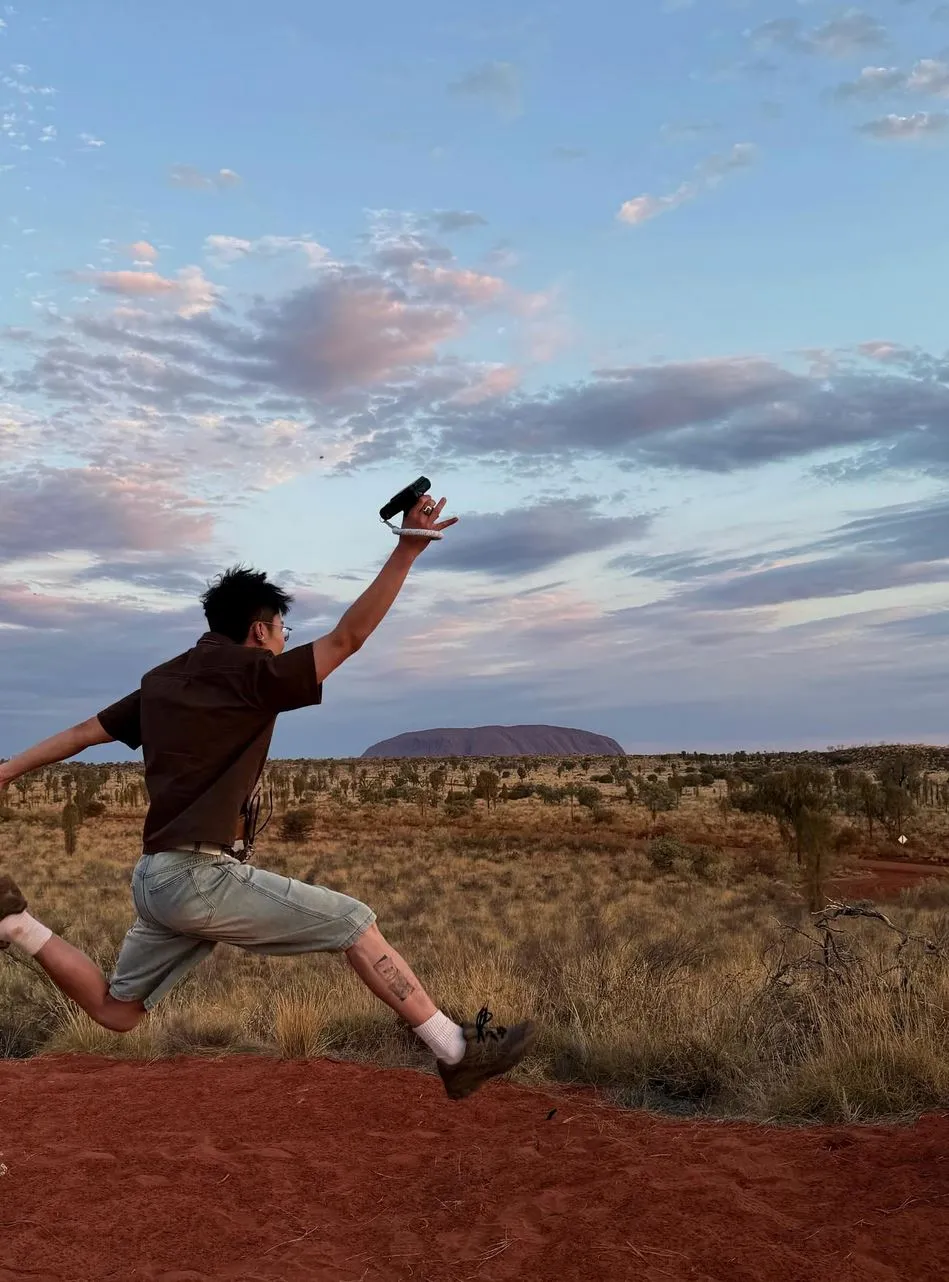
Parts of Uluru are off-limits for photography to protect sacred sites, men’s and women’s areas, and the super-sensitive rock art. It’s not about stopping tourists – it’s about showing some respect for the places with real significance to the local people.
When I used to lead groups out there, you’d always get the one person trying to sneak a shot of a restricted face. Just don’t be that person. The traditional laws are clear about which parts of the rock you can photograph, and the signage from Parks Australia is easy to follow.
Quick Photo Etiquette to Remember
- Follow the “no photo” signs – it’s that simple
- Just stick to the designated viewing areas
- If you want to take a photo of Anangu people, ask first
- And don’t even think about bringing a drone – they’re banned
Stick to the Tracks
Walking off the beaten path at Uluru can seriously damage the local environment, disturb ceremonial sites, or even harm areas protected under conservation laws.
I’ve seen people wandering off because they think they’ve spotted a shortcut. But sadly, taking shortcuts out here in the Australian Red Centre can do more damage than you can say “soft sand”.
Stay on marked tracks to:
- Because it’s just good manners to respect the culturally restricted zones.
- Because this helps protect the local wildlife and native plants.
- Because it’s the only way to preserve the rock art sites, which are just incredible.
- And because wandering off can lead to disturbing burial grounds and ceremonial areas.
Waterholes Aren’t Swimming Spots
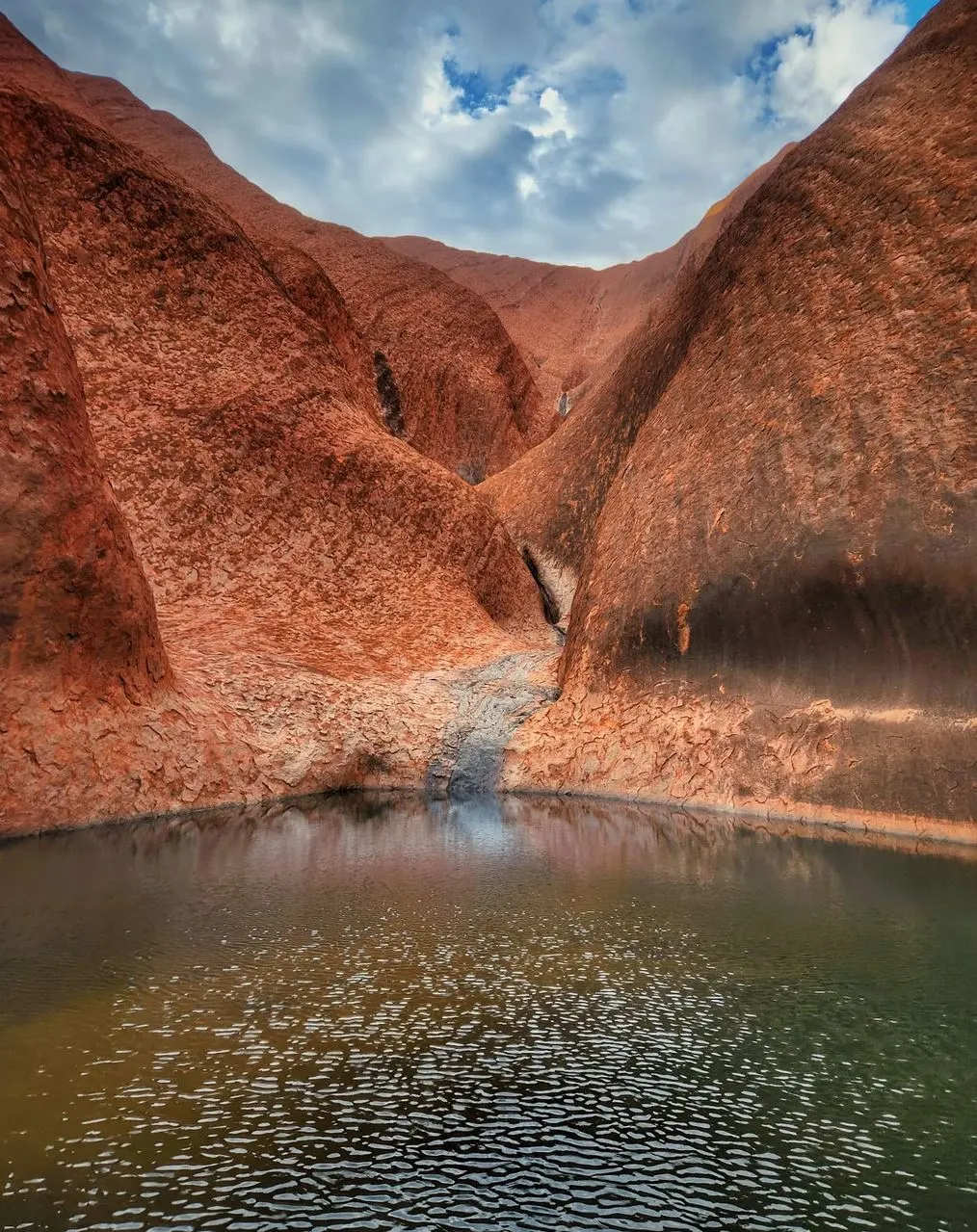
Even when it’s a hot day, places like Mutitjulu Waterhole are off-limits for swimming. These waterholes are an integral part of Dreamtime stories, local teaching and survival. Plus, they are tied to women’s business and sacred responsibilities.
Just Remember
- Don’t even think about touching the water – just leave it be.
- And please don’t throw coins or stones – that’s just thoughtless.
- And do take a ranger-led tour to understand the place’s local significance.
Language, Behaviour, and Being a Good Guest
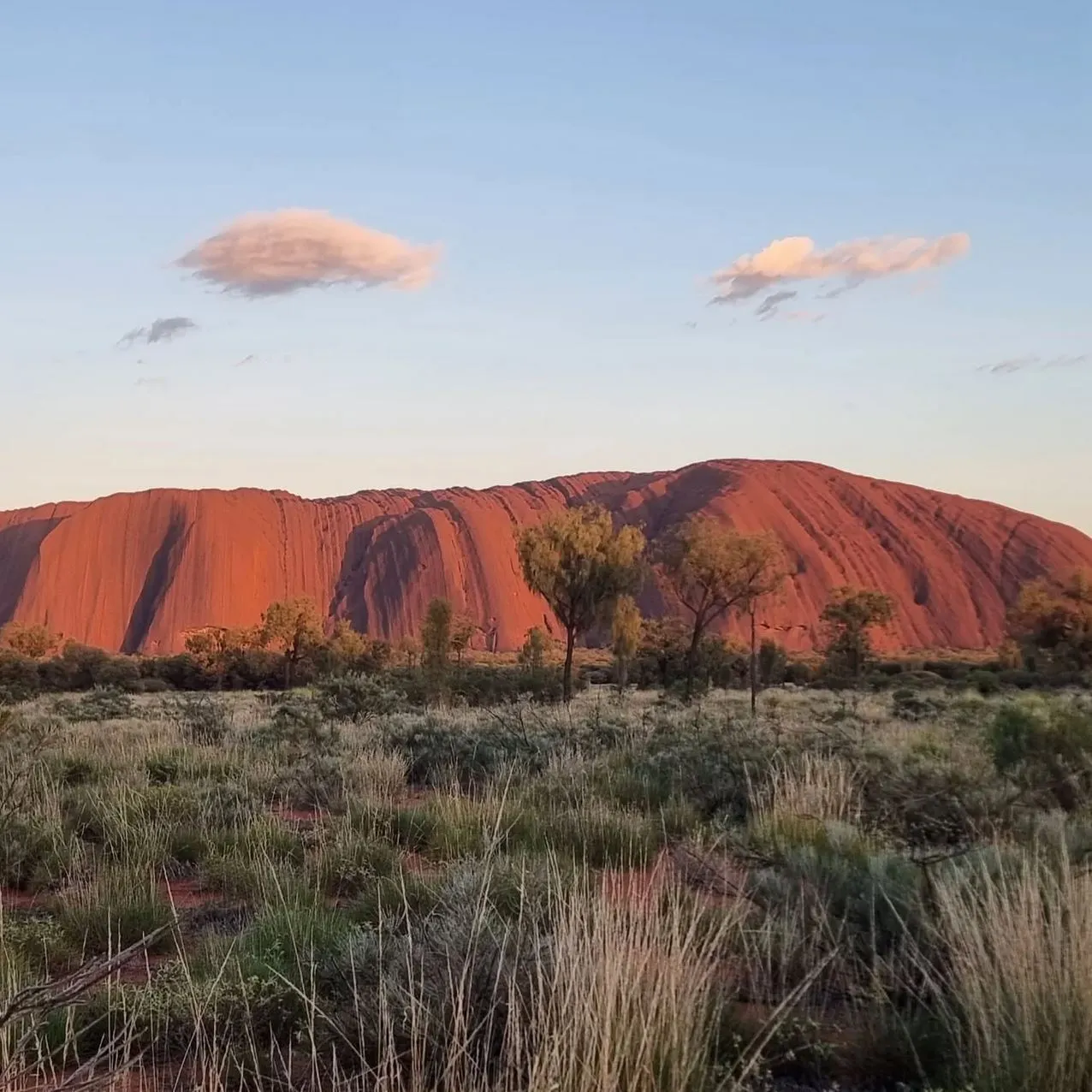
Respect at Uluru goes beyond silence at sunrise. It’s how you behave on Aboriginal land, especially around sacred or ceremonial areas.
Behaviour Tips From the Track
- Lower your voice near sacred areas
- Avoid loud swearing — it’s jarring in cultural spaces
- Don’t sit or climb on rock features
- Be present — not everything needs a selfie
- Carry out all rubbish
These behaviours align directly with the social behaviours expected of guests on Country.
Support Anangu Enterprises
One of the strongest ways to honour cultural protocols is to support Anangu-run businesses. Over the years, I’ve watched these enterprises maintain strong language, law, and cultural knowledge.
Where to spend thoughtfully
- Maruku Arts (wood carving, Aboriginal art, demonstrations)
- Uluru–Kata Tjuta Cultural Centre art spaces
- Indigenous-led tours
- Community cultural centres, when open
You’ll also find work by Contemporary Aboriginal artists, often telling stories tied to clan homelands and traditional lore.
Where It Hurts – A Real Talk Moment
No one is going to grab you by the scruff of the neck and give you a stern talking to. But when you disrespect the rules, you really do cause harm to people, the environment, and your personal relationships.
Consequences include:
- Some of the most sacred or ceremonial areas will be left feeling disturbed.
- You could even face a hefty fine for environmental damage.
- You risk offending a whole culture just because you didn’t know the rules.
- And even worse, you might actually erode the trust that visitors and locals have for each other.
I’ve seen people who have been to these places before get a really bad feeling when they suddenly realise they’ve made a mistake and stumbled into a restricted area. If you can just take the time to learn what the rules are before you set foot out there.
Visitor Statistics
With way over 380,000 people showing up every year before the pandemic (that’s Parks Australia’s figures), the pressure on these special sites is mounting. Rules and protocols are meant to protect the beauty of the place and the heart of the culture.
| Issue | Visitor Impact (% of ranger interventions) | Effect on Cultural & Natural Landscape |
|---|---|---|
| Off-track walking | ~15% | Damages sacred sites, erosion |
| Improper photography | ~10% | Breaches cultural restrictions |
| Litter on track | ~8% | Wildlife disruption |
| Attempted climb access | Ongoing but small | Disrespect to Traditional Owners |
These pressures extend from Uluru to nearby sites like Kata Tjuta, particularly on the Walpa Gorge Walk and the Valley of the Winds Walk, where cultural sensitivities and environmental fragility intersect.
A Quick Takeaway Checklist
Before you hit the road and start exploring, here are some key things to take note of:
Cultural Respect
- Honour sacred sites
- Follow photography rules
- Support the climbing ban
Environmental Respect
climbing ban
Environmental Respect
- Stay on marked tracks
- Respect Environmental conservation efforts
- Leave waterholes undisturbed
Personal Conduct
- Be mindful of language
- Dress appropriately
- Ask before taking photos of people
Support Local
- Buy art from Maruku Arts
- Visit the Cultural Centre
- Join ranger-led cultural programs
If you’re booking a tour with a company like Uluru Tour, check if they offer any Indigenous-led experiences – these are absolutely worth prioritising.
FAQ
Can I still visit the area where the old Ayers Rock climb used to start?
You can walk past it, but you can’t access the old route itself. The climb is closed for good, and that’s a good thing – it protects a super sensitive spot that’s tied to the Anangu people’s cultural responsibilities.
Is photography banned everywhere around Uluru?
Not at all – only in a few places are there some restrictions in place. There are certain areas around the rock where you can’t take photos, because they’re meant to be off-limits to protect cultural sites and rock art.
Why can’t visitors drink or touch water at Mutitjulu Waterhole?
Waterholes like Mutitjulu Waterhole are tied into all sorts of stories and legends – they’re super important to the local Aboriginal culture, and visitors need to respect that. Some waterholes are connected to women’s business, some to ceremonies or survival routes, and so on.
Can I explore Kata Tjuta freely as I do around Uluru?
You can visit Kata Tjuta, but stick to the official tracks like Walpa Gorge and the Valley of the Winds Walk. Plenty of Kata Tjuta is restricted to Aboriginal people because it’s got clan homelands, burial grounds and other places that are just off-limits to visitors.
Is Uluru owned by Parks Australia or by Aboriginal people?
Uluru is actually owned by the Anangu Traditional Owners, but they’ve leased it to the government for joint management through Parks Australia, which exists because of that key piece of legislation, the Aboriginal Land Rights Act.