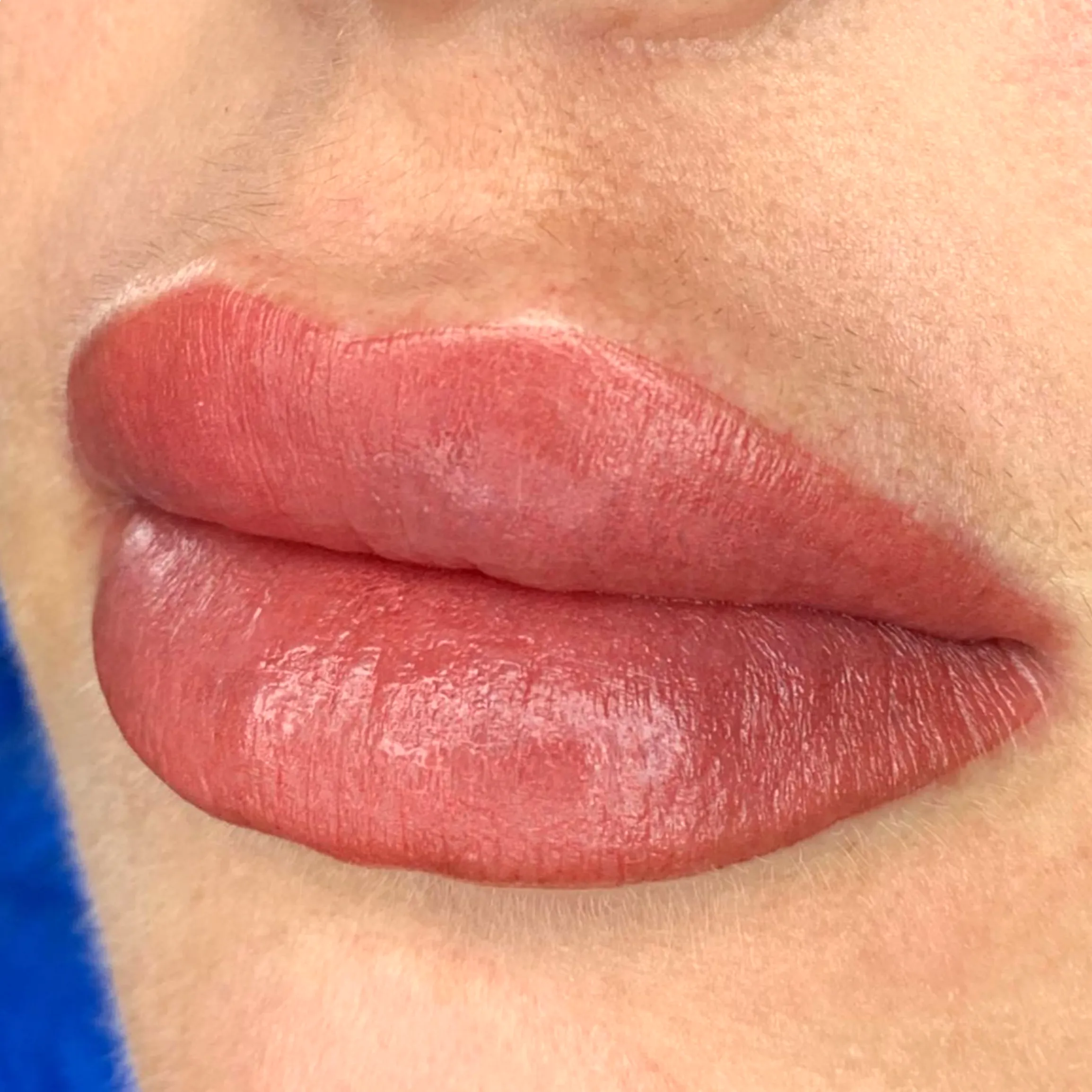
“Can lip colour be removed?” It’s a question we get asked more often than you’d think. Whether it’s leftover pigment from a cosmetic tattoo, lip discolouration from smoking, or a DIY tint job that went sideways, you’re not alone if you’re looking to hit the reset button on your pout.
In our Melbourne studio, we see clients every week who want a fresh start. Maybe your lip blush faded purple, maybe a lip tint from ten years ago won’t budge, or maybe your natural pigment has gone darker over time. Good news? There are ways to remove or correct lip colour, but not all of them are created equal. Many of these clients have previously had lip blushing in Melbourne and are now seeking correction or lightening options.
Here’s everything you need to know, without the fluff.
Why People Remove Lip Colour
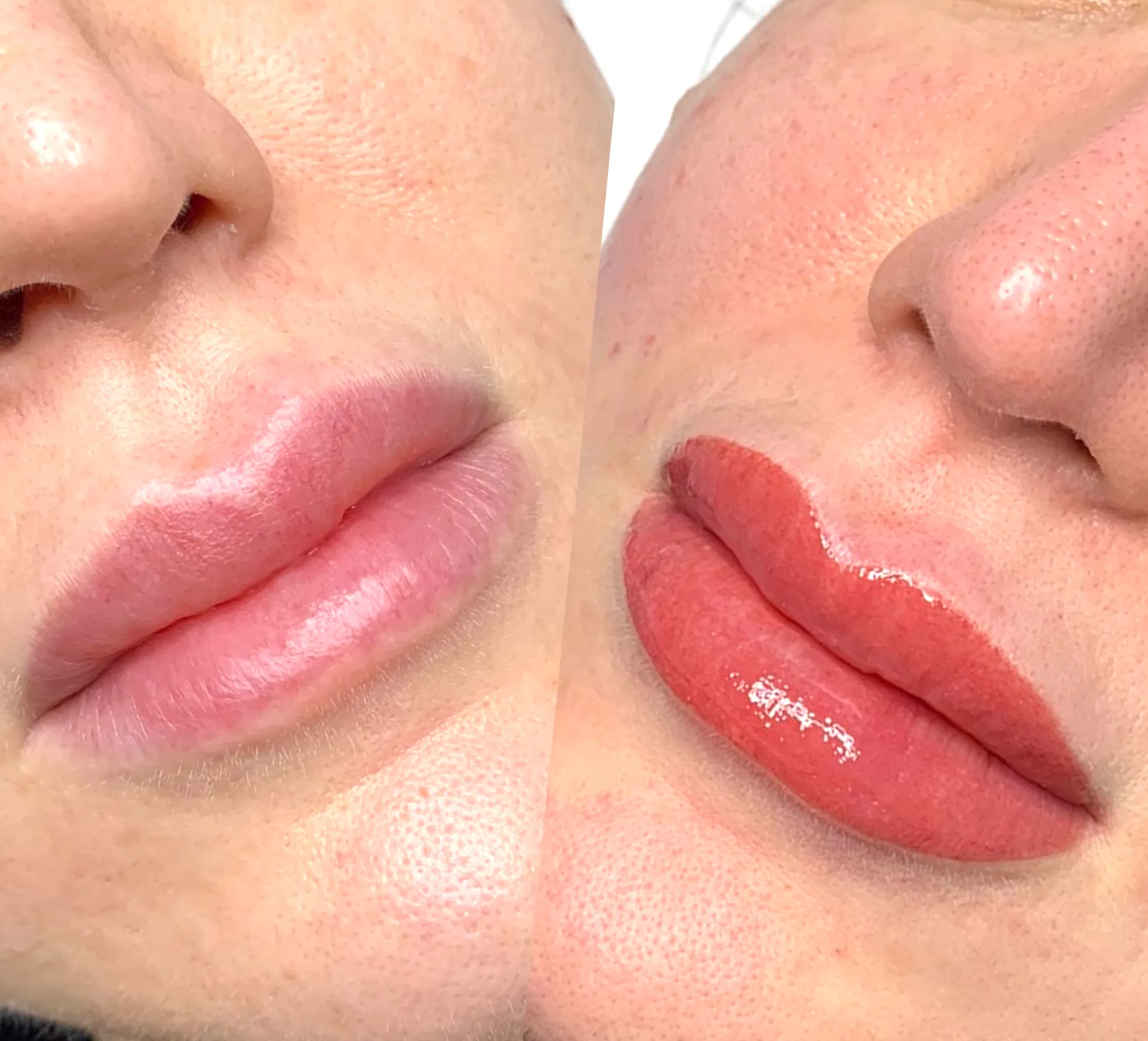
There’s no shame in changing your mind. And when it comes to your face, it’s smart to be picky.
Some of the most common reasons clients want to remove lip colour include:
- Old or poorly placed cosmetic tattoos (blush that’s turned blue or migrated)
- Over-saturated lip tint that looks unnatural or heavy
- Discoloured lips from lifestyle habits (smoking, sun damage, dark lipstick)
- Hyperpigmentation or dark patches from hormonal changes, lip pigmentation, oral thrush or post-inflammatory trauma
- DIY or cheap tattoos done overseas or without proper pigment control
- Changes in personal style or skin tone that make the colour clash
- Medical conditions such as Addison’s disease, heart attack, pulmonary oedema, or low oxygen saturation levels that can affect lip pigment
Sound familiar? You’re not alone.
Effects of Applying
Before we get to removal, let’s talk about what you’re removing.
Lip Blush Tattoos use semi-permanent pigment implanted into the lip dermis. The word “semi” implies fading, but residual pigment can stick around for years.
Lipstick stains or long-wear lip products can leave surface residue, but this is surface-level.
Natural discolouration is deeper in the dermis and involves melanin, not artificial pigment.
Cosmetic lip tattoos and permanent lip liner both use implanted pigment, which can shift in tone or spread beyond the lip border over time.
Removal approach depends on the depth and type of pigment.
Methods That Work (and Those That Don’t)
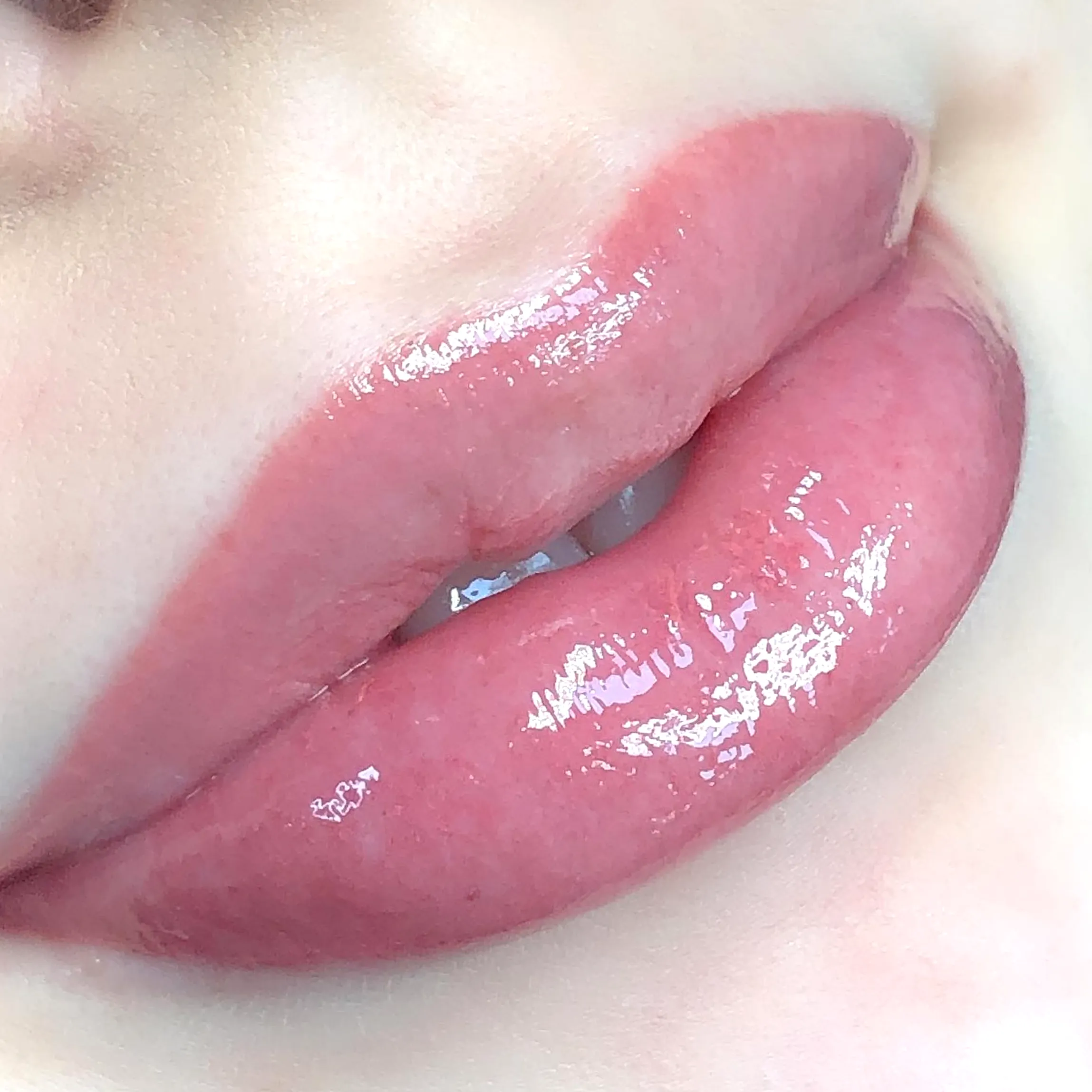
Laser Tattoo Removal
- Best for: Cosmetic tattoos with darker pigments (blue, purple, red)
- How it works: Q-switched or picosecond lasers break down pigment particles for the body to flush out
- How many sessions? 3–8 depending on pigment depth and colour
- Pain level: Moderate—numbing cream is applied, but lips are sensitive
- Risks: Swelling, blistering, scarring if done incorrectly
Laser technology has come a long way in recent years, but it’s not one-size-fits-all. Darker skin types require extra care to avoid hypopigmentation.
Chemical Removal (Salt & Saline or Glycolic Acid)
- Best for: Surface pigment or recent tattoos
- How it works: The solution is implanted into the skin to lift pigment out
- Sessions required: 2–5 typically
- Healing time: Scabs form—you’ll need 7–10 days downtime
- Risks: Scarring if aftercare balm isn’t used or aftercare isn’t followed
We use a gentle skin-safe solution in our studio, and it’s a popular option for clients with sensitive skin or recent lip blush regrets. Proper lip tattoo aftercare is essential following any removal treatment to support healing and minimise complications.
Topical Lightening Products
- Best for: Natural discolouration (not tattoo pigment)
- Ingredients to look for: Kojic acid, vitamin C, azelaic acid
- Timeline: Slow and steady (8+ weeks to notice a shift)
- Works best when: Combined with exfoliation, sun protection, and moisturising
Topicals won’t fade tattoo pigment, but they can absolutely help lighten darker natural lips, especially in cases of lip tan removal or lip discolouration due to sun damage or UV rays.
Home Remedies (Caution Zone)
- Popular hacks: Lemon juice, baking soda scrubs, coconut oil, almond oil, honey lemon lip scrub, lemon and honey mixture, rose petals
- Reality: Harsh DIYs can irritate or burn delicate lip tissue
- Skip if: You want to protect your skin barrier and avoid making things worse
Look, we’ve all tried a dodgy Pinterest hack—but your lips deserve better.
Real Studio Stories
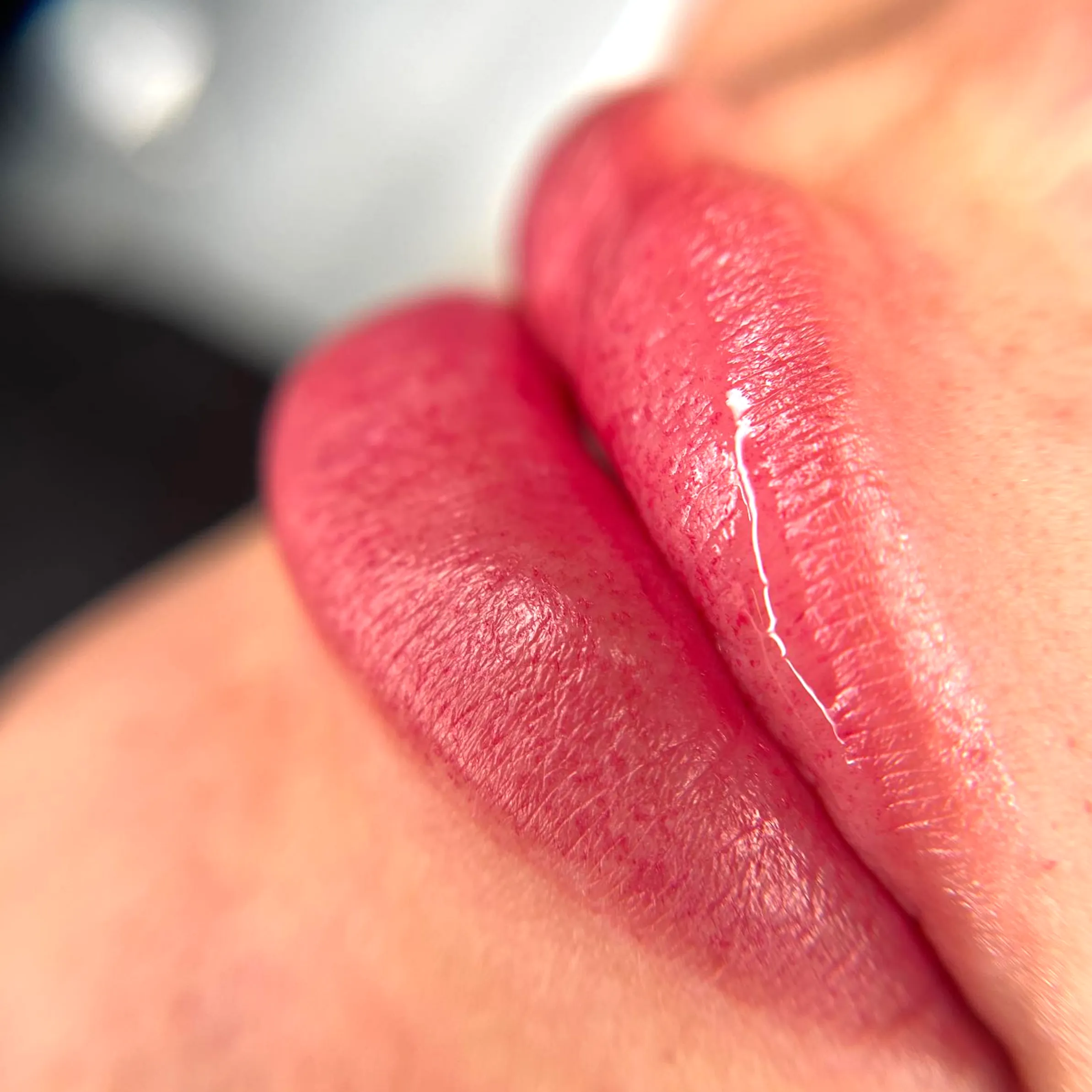
One client came in with a heavily saturated magenta lip blush from a tattoo done overseas. Her natural lip tone was medium-brown, and the pigment had turned purplish over time. We used 4 rounds of laser spaced over six months, followed by a touch-up with neutralising peach pigment to restore a natural tone.
Another had patchy, grey-toned ink that aged poorly. We used saline removal and guided her through topical brightening for the residual discolouration. Today, she wears just balm and loves it.
Each case is different. That’s why consultation matters.
Skin Tone and Type
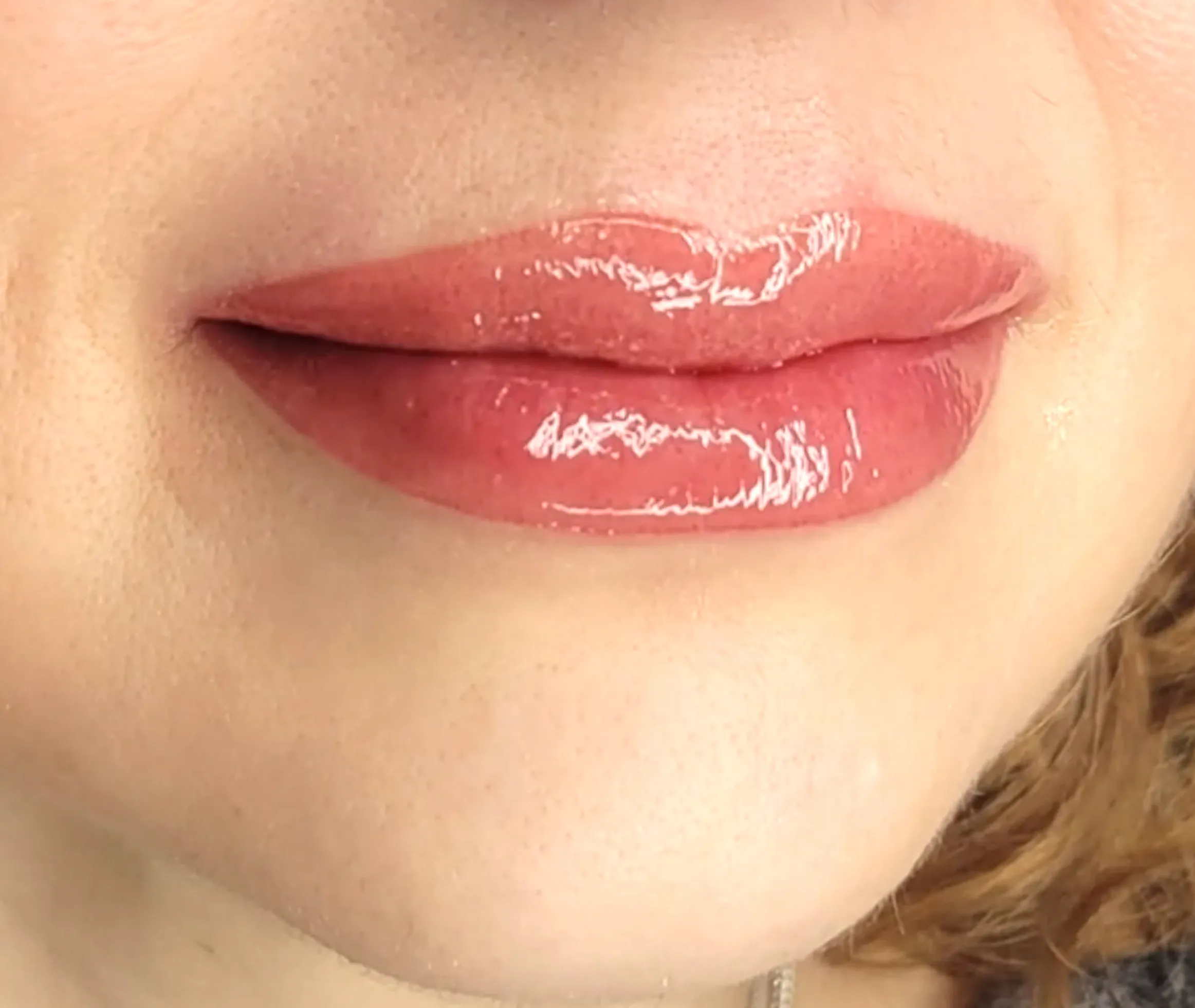
The same removal method won’t suit everyone. Factors like:
- Melanin levels
- Lip vascularity and blood vessels
- History of cold sores
- Skin sensitivity or scarring risk
- Skin type (especially with permanent makeup or cosmetic work corrections)
…will affect your outcome. That’s why a professional consult is non-negotiable.
Common Skin Tone Considerations
| Skin Tone | Best Approach | Caution Notes |
|---|---|---|
| Fair | Laser or Saline | Watch for excessive redness or sensitivity |
| Medium/Olive | Laser or Saline + Topical Brighteners | Hyperpigmentation risk, prep is key |
| Deep | Saline + Topicals | High risk of hypopigmentation with lasers |
Timeline, Pain, and Results
Let’s be real—removal takes time. Here’s what most clients can expect:
- Consultation: Always your first step (avoid walk-in regrets)
- Sessions: Most clients need 3–8 spaced out monthly
- Healing: Mild swelling, peeling, and scabbing common
- Aftercare: No sun, no spicy food, no lip makeup during healing
- Lip care essentials: Antioxidant-rich lip balm, lip moisturisers with shea butter or aloe vera gel, and exfoliating lip scrubs
- Results: Gradual lightening—not an overnight eraser
We always say: the goal is improvement, not instant perfection. Think “fresh start,” not “undo button.”
What About Discolouration from Smoking or Age?
If your lips have darkened from:
- Smoking
- Hormonal shifts
- Sun exposure
- Nutritional deficiencies
- Dark lipstick or berry tints
…the treatment path is different. Focus on brightening with:
- Lip scrubs (sugar + oil or honey lemon lip scrub)
- Lip balms with SPF or nourishing ingredients
- Brightening serums (kojic, vitamin C)
- Consistent hydration with vitamins B and C
Lip blushing isn’t always the cause of lip pigment changes—but it can amplify underlying discolouration. That’s why consultation and long-term lip care are key.
And yes, quitting smoking makes a visible difference—we’ve seen it firsthand.
The Importance of a Qualified Artist or Technician
This isn’t a DIY moment. Whether you’re reversing a cosmetic tattoo or lightening natural pigmentation, the risks of unqualified treatment are real:
- Scarring
- Uneven removal
- Infection
- Increased discolouration
Ask your tech:
- Do you have experience with my skin tone?
- What method do you use and why?
- Can I see healed before/afters?
- What’s the healing timeline?
In our Cosmetic Tattoo Studio Face Figurati in Melbourne, we specialise in corrections—we’ve built a reputation on fixing what others rushed. Whether it’s lip embroidery gone patchy, lip blush that healed too dark, permanent lip liner that drifted outside the vermilion border, or leftover pigment from an outfit change-worthy moment, we’ve seen it all.
Final Thought
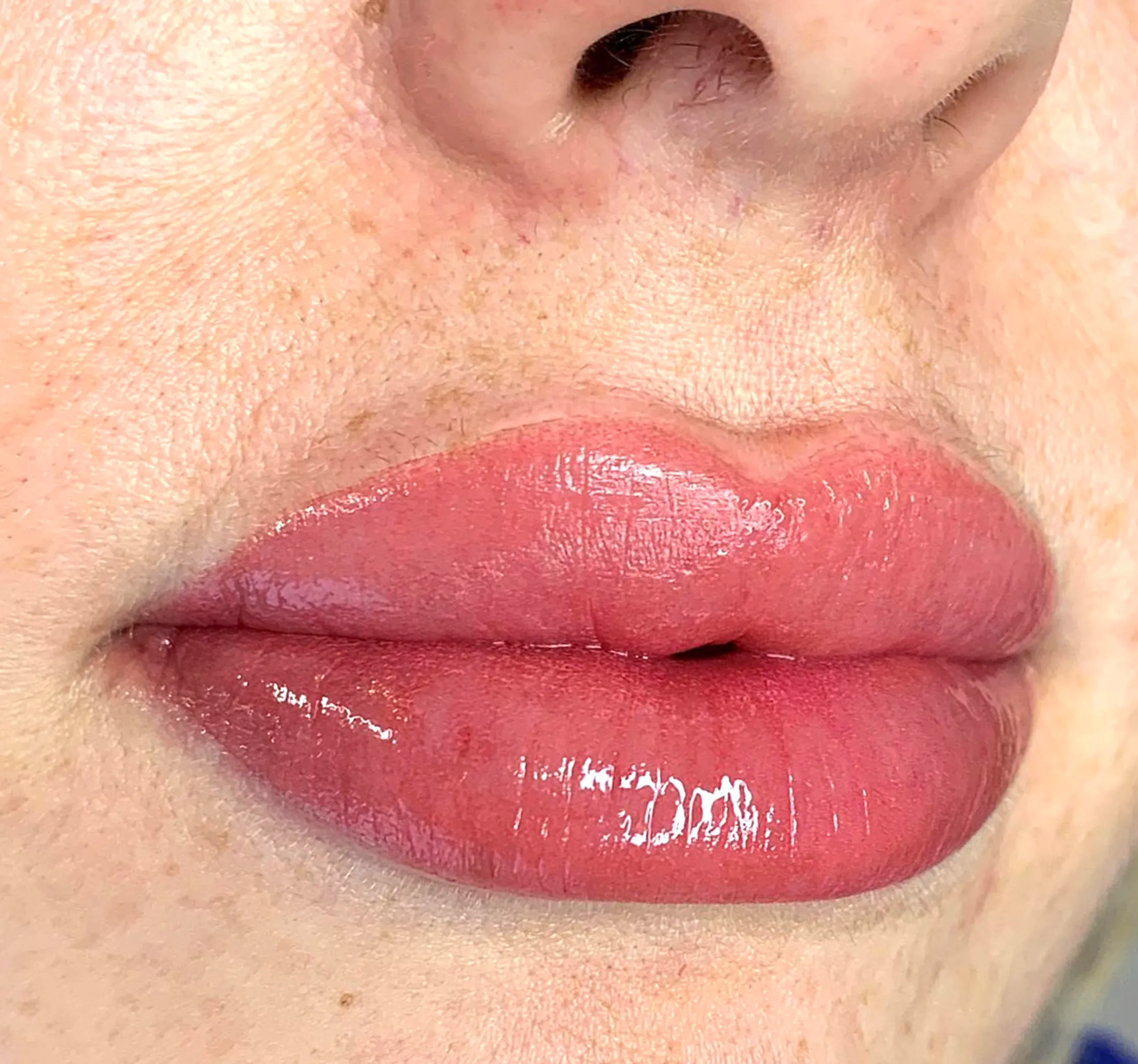
So, can lip colour be removed? Yes. But, yes, with care.
Get a consult, work with someone who knows pigment theory and healing, and don’t rush the process.
FAQs
How many sessions does it take?
Most clients require 3-8 sessions, spaced 4-6 weeks apart. It depends on the depth, age and colour of the pigment, your skin type and healing response.
Can it be removed completely?
In many cases, yes—but complete removal isn’t guaranteed. Most clients see significant fading or full correction when working with experienced professionals using methods like laser tattoo removal or saline lightening.
Is it safe for all skin tones?
It can be, but not all methods suit every skin tone. For example, deeper skin tones may need to avoid lasers due to hypopigmentation risk. A tailored approach and pre-treatment assessment are key.
What’s the downtime like after a session?
Mild swelling, peeling and possibly scabbing for about a week. Follow strict lip tattoo aftercare—no spicy food, sun exposure, heavy makeup— for safe healing.
Can I get lip blushing or tinting again?
Yes—once your lips have fully healed and the pigment has faded to a safe level, you can get lip blushing or other cosmetic enhancements again. Many clients opt for a neutral tone or more natural style the second time around.